
Have you ever looked at a business and thought, “Who on earth came up with that?” — only to find out the founder is a millionaire? From selling pet rocks to shipping glitter to enemies, some of the most profitable businesses in history started as a joke.
The truth is, funny business ideas work — and they work surprisingly well. In this guide, we’ll cover 25 genuinely funny business ideas that actually make money, why humor is such a powerful business tool, and how you can turn a laugh into a livelihood in 2026.
Why Do Funny Business Ideas Succeed?
Before diving into the list, it’s worth understanding why humor translates into profit:
- Virality: Funny content spreads. A single TikTok or Instagram post can bring in thousands of customers overnight.
- Memorability: People remember brands that made them smile. Humor creates brand loyalty that traditional businesses struggle to build.
- Low competition: Most entrepreneurs play it safe. A funny niche often has far less competition than a conventional one.
- Emotional connection: Humor triggers positive emotions, which builds trust — and trust drives purchases.
- Gift economy: Novelty and funny products are evergreen gift options, providing a recurring, season-independent market.
Now, let’s get into the ideas.
25 Funny Business Ideas That Actually Make Money
1. Ship Your Enemies Glitter
One of the most legendary funny business ideas of the internet age — you send an anonymous envelope stuffed with glitter to someone’s “enemy.” It sounds absurd. It made $20,000 in its first few weeks and went completely viral on social media.
Startup cost: $500–$2,000
Earning potential: $30,000–$80,000/year
Why it works: It’s shareable, personal, and mildly devious — the perfect viral cocktail.
2. Poop Senders (Yes, Really)
Similar to glitter bombing, poop delivery services allow customers to anonymously mail animal dung to a target. Poop Senders and similar businesses generate $50,000–$100,000 annually through sheer novelty and word-of-mouth.
Startup cost: $1,000–$3,000
Earning potential: $50,000–$100,000/year
Why it works: The shock factor alone guarantees social sharing, which is free marketing.
3. Rage Room
A rage room is a controlled environment where paying customers can smash plates, electronics, and bottles with bats as a form of stress relief. This is one of the fastest-growing funny business ideas — and one of the most profitable.
As workplace burnout and mental health challenges increase globally, rage rooms fill a genuine emotional need with a very entertaining approach.
Startup cost: $20,000–$100,000
Earning potential: $50,000–$200,000/year
Why it works: It combines entertainment with wellness — two of the biggest consumer trends of the decade.
4. Professional Cuddling Services
Professional cuddlers offer platonic physical touch and companionship in a safe, professional setting. Services like Cuddlist and Cuddle Comfort have turned this seemingly ridiculous concept into a booming wellness business.
Startup cost: Minimal — mainly certification and marketing
Earning potential: $40,000–$80,000/year per cuddler
Why it works: It targets a real, unmet emotional need — loneliness — with a disarming, human solution.
5. Rent-A-Friend
Rent-A-Friend lets clients pay for a platonic companion to hang out with, attend events, or simply keep them company. What sounds like a joke is a genuine business model operating across the US and internationally, earning operators $20,000–$100,000 per year.
Startup cost: $500–$2,000 (website + marketing)
Earning potential: $20,000–$100,000/year
Why it works: Loneliness is a global epidemic. People pay for connection.
6. Novelty T-Shirts With Witty Slogans
Custom T-shirts with hilarious slogans or absurd memes are a massive, growing market — projected to reach $3.1 billion. With print-on-demand platforms like Printify and Etsy, you can launch without holding any inventory.
Startup cost: $0–$500 (print-on-demand = no upfront stock)
Earning potential: $2,000–$4,500/month for successful sellers
Why it works: People wear their sense of humor. It’s a walking billboard that sells itself.
7. Banana Phone (Or Other Absurd Tech Accessories)
A Bluetooth handset shaped like a banana that works with your smartphone — it sounds ridiculous, and that’s exactly why it sold tens of thousands of units. Absurd tech accessories with a clear visual gimmick are highly shareable and highly profitable.
Startup cost: $5,000–$20,000 (product sourcing/manufacturing)
Earning potential: Varies widely; successful novelty products can hit six figures
Why it works: The product IS the marketing.
8. I Want to Draw a Cat for You
Steve Gadlin started drawing terrible cats on index cards as a joke. He sold 21,000 of them, appeared on Shark Tank, and earned over $200,000. Custom quirky art — whether cats, stick figures, or deliberately “bad” portraits — has a dedicated and enthusiastic market.
Startup cost: Under $100
Earning potential: $5,000–$50,000+ depending on scale
Why it works: People love supporting a funny, earnest micro-business. It’s part novelty, part charity, all heart.
9. Funny Tour Guide Service
Instead of a standard city walking tour, offer a comedic alternative — ghost tours with jokes, historical events retold as stand-up sets, or absurdist “anti-tourist” tours of genuinely unremarkable local spots. Tourists pay for memorable experiences, and funny tours get reviewed, recommended, and shared obsessively.
Startup cost: $200–$1,000 (permits, marketing materials)
Earning potential: $30,000–$80,000/year
Why it works: Differentiation. Every city has boring tours. Funny ones get featured in travel blogs and go viral.
10. Rent-A-Chicken
Sarah and Jason Smith built an entire franchise out of renting backyard chickens to urban and suburban families who want fresh eggs without the long-term commitment. Per season, a Rent-A-Chicken franchise can earn $30,000–$100,000.
Startup cost: $5,000–$15,000
Earning potential: $30,000–$100,000/season
Why it works: It’s whimsical, practical, and perfectly pitched at the farm-to-table cultural moment.
11. Comedy Podcast
A comedy podcast — whether scripted, improvised, or a parody of existing shows — can be launched for as little as $200. Successful comedy podcasts monetize through Patreon, sponsorships, merchandise, and live events.
Startup cost: $200–$2,000
Earning potential: $1,000–$100,000+/year
Why it works: Audio is intimate. A funny podcast builds an incredibly loyal audience.
12. YouTube Prank Channel
Prank content consistently ranks among the most-watched on YouTube. A well-executed prank channel can generate $1,000–$100,000+ annually through ad revenue, sponsorships, and merchandise — though building an audience takes 3–6 months of consistent content.
Startup cost: $500–$5,000 (camera, editing equipment)
Earning potential: $1,000–$100,000+/year
Why it works: Prank videos are infinitely shareable. Every view is essentially free advertising.
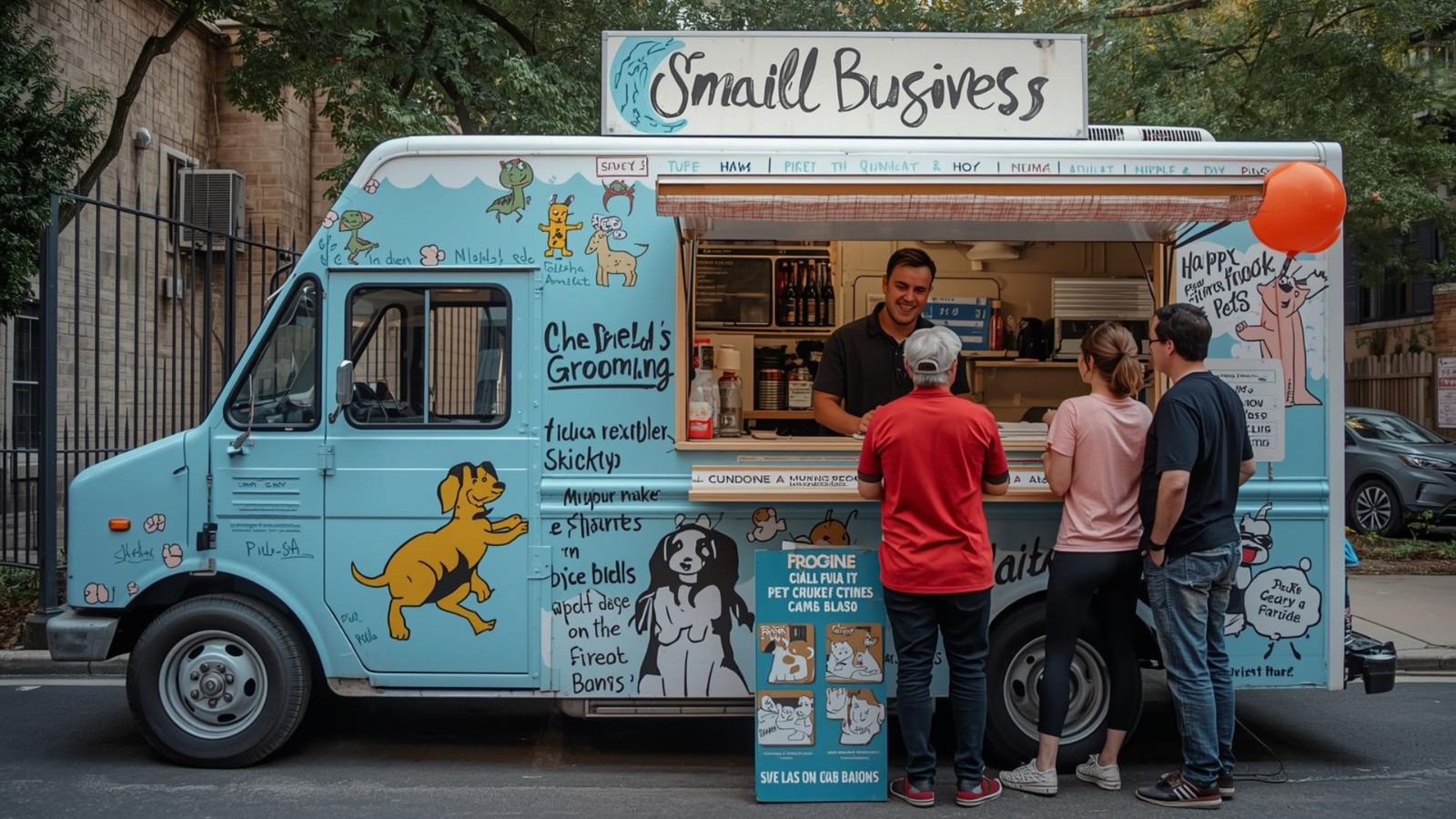
13. Funny Food Truck or Themed Café
Pun-based menus, absurd food names, and quirky interior design make a food business infinitely Instagrammable. “The Brunchinator,” “Wok This Way,” or a cereal bar themed around nostalgia — the concept doesn’t have to be complex. It just needs to photograph well and make people smile.
Startup cost: $10,000–$100,000
Earning potential: $50,000–$200,000+/year
Why it works: User-generated content. Customers photograph and share your business for free.
14. Novelty Snack Packaging
Jones Soda built a loyal cult following by selling unusual flavors — turkey and gravy, mashed potato, pumpkin pie — in limited seasonal releases. You don’t need a factory: white-label snack manufacturers can produce small runs. Funny packaging and absurd flavor names drive curiosity purchases and viral unboxing videos.
Startup cost: $5,000–$30,000
Earning potential: Highly variable; niche snack brands have sold for millions
Why it works: The novelty IS the product. People buy to share the reaction.
15. Humorous E-Cards and Digital Art
Custom caricatures, funny digital birthday cards, and absurd meme commissions are a booming online market. Platforms like Etsy, Fiverr, and your own website can be your storefront with essentially zero overhead.
Startup cost: Under $200
Earning potential: $5,000–$40,000/year
Why it works: Digital products cost nothing to reproduce and ship instantly.
16. Clown for Hire
A professional clown business — for birthday parties, corporate events, or ironic adult parties — can launch for as little as $500. Skilled entertainers who can build a client base earn $20,000–$50,000 annually.
Startup cost: $500–$2,000
Earning potential: $20,000–$50,000/year
Why it works: Events are always happening. A reliable, funny entertainer gets repeat bookings and referrals.
17. Pet Psychic Services
Sonya Fitzpatrick turned pet communication into a career, including a TV show. Freelance pet psychics and animal communicators now earn $50,000–$300,000 per year — by tapping into the massive emotional bond between pet owners and their animals.
Startup cost: Essentially zero
Earning potential: $50,000–$300,000/year
Why it works: It targets an underserved emotional niche with a loyal, passionate customer base.
18. Potato Parcel
Potato Parcel lets customers have a message or image stamped onto a potato, mailed to anyone they like. It sounds absurd. It’s been featured in major media outlets and generates steady revenue through sheer virality.
Startup cost: $1,000–$3,000
Earning potential: $30,000–$80,000/year
Why it works: It’s cheap to produce, has near-zero competition, and generates enormous organic press.
19. Funny Themed Party Planning
Organize themed parties with humorous concepts — a “terrible 80s fashion” dinner, a “murder mystery but everyone’s a pigeon” event, a bad movie marathon party. Experience-based funny business ideas command premium pricing, since people pay more for memorable moments than for things.
Startup cost: $1,000–$5,000
Earning potential: $30,000–$80,000/year
Why it works: Experiences are the new luxury. Funny experiences get shared.
20. Funny Niche Blog or Newsletter
A consistently funny newsletter or blog in a specific niche — finance explained through memes, parenting humor, absurdist history — can build a substantial audience. Monetization comes via subscriptions, sponsorships, affiliate marketing, and digital products.
Startup cost: Under $100
Earning potential: $5,000–$100,000+/year with a solid audience
Why it works: Humor creates loyalty. Loyal readers become customers and advocates.
21. Gag Gift Subscription Box
Subscription boxes for novelty gifts — embarrassing items, prank products, “gifts you’d never buy yourself” — are a recurring revenue model (the holy grail of e-commerce). Curate a themed box monthly and let the jokes keep paying.
Startup cost: $2,000–$10,000
Earning potential: $40,000–$150,000+/year at scale
Why it works: Monthly recurring revenue + gifting market = highly stable business.
22. Inappropriate Fortune Cookie Writer
Fortune cookie writers get paid to create the messages inside cookies. Building a niche as a “funny fortune cookie writer” for adult events, bachelorette parties, and corporate gag gifts is an unusual but genuinely viable creative freelance business.
Startup cost: Near zero
Earning potential: $5,000–$25,000/year (great side hustle)
Why it works: It’s so specific and so niche that competition is almost nonexistent.
23. Bubble Wrap Appreciation Business
Larry Schultz turned Bubble Wrap Appreciation Day (last Monday of January) into an annual marketing event. Building a business around novelty stress-relief products — bubble wrap, popping fidgets, squeeze toys — is perennially profitable because the appeal is universal.
Startup cost: $1,000–$5,000
Earning potential: $20,000–$70,000/year
Why it works: Stress relief + sensory satisfaction = evergreen demand.
24. Designated Driver in Your Own Car
Unlike standard rideshare, a designated driver service drives clients home in their own vehicle. Perfect for bar patrons, surgery patients, and luxury car owners. Charge $40+ per ride. It sounds simple — it’s surprisingly profitable.
Startup cost: Near zero
Earning potential: $20,000–$60,000/year
Why it works: Massive underserved niche with real consumer need.
25. Funny Motivational Speaking (or Anti-Motivational Speaking)
The opposite of the typical corporate motivational speaker — someone who tells brutally honest, funny truths. “How to fail spectacularly and still pay rent” is a more interesting talk than most corporate offerings. Speakers charge $500–$10,000+ per engagement.
Startup cost: Under $500
Earning potential: $20,000–$150,000+/year
Why it works: Corporate events desperately need entertainment. Funny speakers who deliver real value are in extremely short supply.
Real Funny Businesses That Became Millionaires
Still skeptical? Here are businesses that started as jokes and turned into empires:
| Business | Founder | What It Did | Earnings |
|---|---|---|---|
| Pet Rock | Gary Dahl | Sold literal rocks as pets | $15M+ in revenue |
| Ship Your Enemies Glitter | Mathew Carpenter | Mailed glitter to enemies | $20K in first weeks |
| I Want to Draw a Cat for You | Steve Gadlin | Terrible cat drawings, Shark Tank | $200,000+ |
| “I Can Has Cheezburger?” | Ben Huh | Funny cat memes blog | Sold for $2M |
| Billy-Bob Teeth | Jonah White | Fake “hillbilly” teeth | Millions in novelty stores |
| Potato Parcel | Various | Messages on mailed potatoes | Steady six-figure revenue |
How to Market a Funny Business
A funny idea is only half the battle. Execution and marketing are what turn a laugh into a livelihood.
Use social media aggressively. TikTok, Instagram Reels, and YouTube Shorts are built for funny, visual content. A single viral post can replace months of advertising spend.
Lean into the absurdity. Don’t apologize for being weird — amplify it. The stranger your brand voice, the more distinctive and memorable it becomes.
Encourage user-generated content. Ask customers to share photos with your product. Offer a discount for reviews. The best marketing for funny businesses is customer reactions.
Partner with comedians and influencers. A micro-influencer with 50,000 engaged followers who finds your product funny can outsell a celebrity endorsement.
Email marketing with humor. Newsletters that are actually entertaining have far higher open rates than generic promotional emails. Make your email list something people look forward to.
Challenges to Watch Out For
Humor is subjective. What’s hilarious to one demographic may fall flat — or worse, offend — another. Always know your audience before launching.
Novelty fades. The funniest idea needs continuous creative refreshes. Build a business model where the product has real utility, not just shock value.
Quality still matters. Funny packaging doesn’t excuse a bad product. Customers forgive absurdity but not poor quality.
Tips for Starting a Funny Business in 2026
- Know your audience deeply — demographic, platform, sense of humor, and spending habits.
- Validate before investing — test with a landing page, pre-sales, or a social media post before spending on inventory.
- Register your business properly — even a joke business needs an LLC, a bank account, and basic tax compliance.
- Own the joke before someone else does — trademark your funny name or concept early.
- Build email and social simultaneously — don’t rely on one platform algorithm.
- Plan for scale — if your idea goes viral, can you fulfill 1,000 orders overnight? Build the logistics before you need them.
Frequently Asked Questions
Can a funny business actually make serious money?
Absolutely. Ship Your Enemies Glitter made $20,000 in its first weeks. Pet Rock made $15 million. I Want to Draw a Cat for You made $200,000. The examples above are not outliers — they’re proof of concept.
What’s the easiest funny business to start with low investment?
Funny digital products (e-cards, caricatures, novelty writing) require almost zero startup capital and can be sold globally with no shipping costs.
Is a funny business idea sustainable long-term?
It can be — if the humor layer sits on top of real utility or real emotional value. Rage rooms address genuine stress. Professional cuddling addresses genuine loneliness. The joke gets you the customer; the value keeps them.
How do I find my niche?
Start with what makes you and your friends laugh. Then check whether that niche has an audience on Reddit, TikTok, or Etsy. If people are already spending money in that space, you have a market.
Conclusion
Funny business ideas prove that success doesn’t require a suit and a serious face. Some of the most profitable businesses ever built started as a punchline — and became empires.
The formula isn’t complicated: find something that makes people laugh, pair it with genuine value or novelty, market it where your audience lives online, and execute with quality. Humor is one of the most powerful marketing tools in existence — and it’s almost free to use.
Whether you’re thinking about shipping glitter, renting chickens, drawing bad cats, or smashing plates in a rage room — the market is real, the demand is there, and the only thing standing between you and a profitable funny business is the decision to start.